info@GeeseiAffiliate.com
SEO vs PPC: 7 Key Differences & Which Marketing Strategy Delivers Better ROI?
introduction
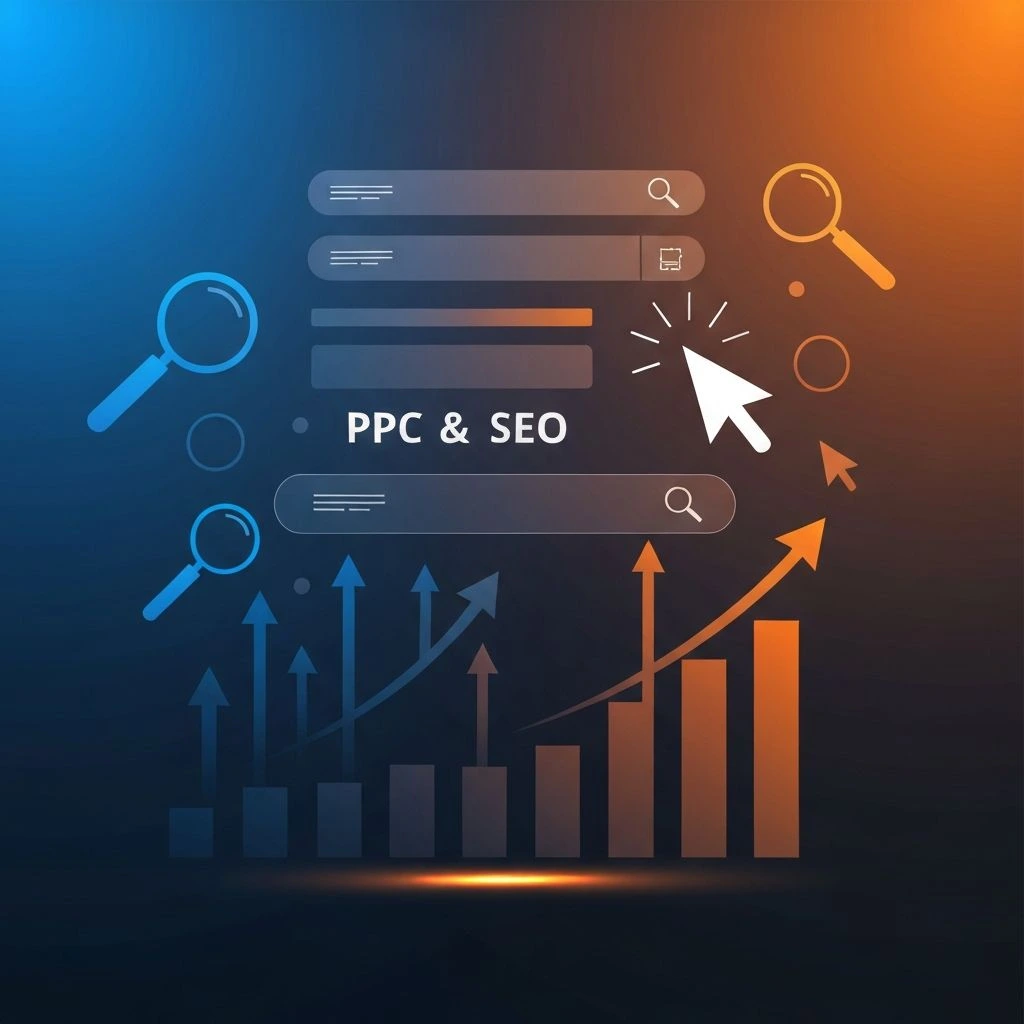
SEO vs PPC: Which Marketing Strategy Delivers Better ROI? One of the most common questions in digital marketing is SEO vs PPC which one actually delivers better return on investment? The honest answer is that both can work extremely well, but they perform differently depending on your timeline, budget, and business goals. This guide breaks down the SEO vs PPC debate clearly, so you can decide which approach or combination is right for you.
What Is SEO?
SEO (Search Engine Optimization) is the practice of improving your website so it ranks higher in organic (unpaid) search engine results. It involves optimizing content, site structure, keywords, and backlinks to earn visibility over time without paying for each click.
What Is PPC?
PPC (Pay-Per-Click) is a form of paid advertising where you bid on keywords and pay each time someone clicks your ad. Platforms like Google Ads and Bing Ads place your listing at the top of search results instantly, in exchange for a cost per click.
SEO vs PPC: The Core Difference
The fundamental difference in the SEO vs PPC comparison comes down to speed versus sustainability:
- PPC delivers immediate visibility and traffic the moment a campaign launches, but traffic stops the second you stop paying.
- SEO takes longer to build momentum often several months but continues driving traffic long after the initial work is done, without an ongoing cost per click.
Comparing Cost and ROI
PPC Costs
With PPC, you pay for every click, and costs can rise quickly in competitive industries. ROI is easy to measure directly (ad spend vs. conversions), but returns disappear the moment budget runs out.
SEO Costs
SEO requires upfront investment in content creation, technical optimization, and possibly link building, but it doesn’t cost more per visitor once you rank. Over time, the cost per acquisition through SEO often becomes significantly lower than PPC, since organic traffic keeps arriving without continued ad spend.
In the SEO vs PPC ROI comparison, PPC often wins in the short term, while SEO usually wins in the long term assuming your content ranks well and stays relevant.
Speed to Results
This is where the SEO vs PPC decision often comes down to timeline:
- PPC: Results within hours of launching a campaign. Ideal for time-sensitive promotions, product launches, or testing which offers convert best.
- SEO: Typically 3–6 months (or longer, depending on competition) before meaningful ranking improvements and traffic growth appear.
If you need sales this week, PPC is the practical choice. If you’re building for the next few years, SEO compounds in value.
Trust and Credibility
Users tend to trust organic search results more than paid ads, since ranking naturally signals relevance and authority. That said, PPC ads that appear alongside strong organic listings can reinforce brand credibility appearing in both spots increases the perception of authority.
Long-Term Sustainability
A completed SEO strategy keeps generating traffic and leads with minimal ongoing cost, making it a strong long-term asset. PPC, by contrast, requires continuous spending the moment your budget stops, so does your traffic.
This is one of the most important factors in the SEO vs PPC decision for businesses planning years ahead rather than months.
When to Choose PPC
PPC tends to deliver better ROI when:
- You need immediate traffic or sales (product launches, promotions, events)
- You’re testing new markets, offers, or messaging before committing long-term
- Your keywords are highly competitive and difficult to rank for organically in a reasonable timeframe
- You have a defined budget and want predictable, measurable results
When to Choose SEO
SEO tends to deliver better ROI when:
- You’re building a sustainable, long-term traffic source
- Your budget for ongoing ad spend is limited
- Your industry has evergreen search demand that doesn’t change quickly
- You want to build brand authority and trust over time
Why the Best Strategy Often Combines Both
Rather than treating SEO vs PPC as an either-or decision, many businesses get the best ROI by using both strategically:
- Use PPC for immediate revenue while SEO efforts build momentum in the background
- Use SEO data (which keywords convert organically) to inform which keywords to bid on with PPC
- Use PPC to test messaging and offers quickly, then apply the winning approach to organic content
- Use SEO to reduce dependency on paid ads once rankings are established, freeing up budget for other channels
This combined approach captures PPC’s speed and SEO’s long-term value at the same time.
How to Measure ROI for Each
For PPC, track:
- Cost per click (CPC)
- Cost per acquisition (CPA)
- Return on ad spend (ROAS)
- Conversion rate per campaign
For SEO, track:
- Organic traffic growth over time
- Keyword rankings for target terms
- Conversion rate from organic visitors
- Cost per acquisition compared to ad spend saved
conclusion
There’s no universal winner in the SEO vs PPC debate — the better ROI depends on your timeline, budget, and goals. PPC delivers speed and immediate, measurable returns. SEO delivers sustainable, compounding traffic that becomes more cost-effective over time. For most businesses, the strongest ROI comes not from picking one over the other, but from using PPC to generate results now while building SEO as a long-term asset for the future.