info@GeeseiAffiliate.com


Brand Marketing Strategies That Ultimate Build Long-Term Customer Loyalty
introduction
Brand Marketing Strategies That Build Long-Term Customer Loyalty Winning a customer’s first purchase is one thing. Keeping them coming back for years is another. The businesses that succeed long-term rely on brand marketing strategies that go beyond a single sale building trust, recognition, and emotional connection that keeps customers loyal even when competitors offer lower prices. This guide covers the brand marketing strategies proven to build that kind of lasting loyalty.
What Is Brand Marketing?
Brand marketing is the practice of promoting a company’s overall identity its values, personality, and reputation rather than focusing purely on individual products or short-term sales. While performance marketing chases immediate conversions, brand marketing strategies focus on shaping how customers perceive and feel about a company over time.
Strong brand marketing turns one-time buyers into repeat customers, and repeat customers into advocates who recommend you to others.
Why Long-Term Loyalty Matters More Than One-Time Sales
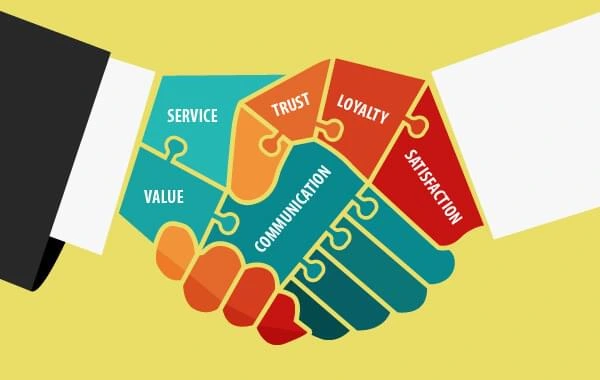
Acquiring a new customer typically costs significantly more than retaining an existing one. Loyal customers also tend to spend more over time, refer others, and are less sensitive to price competition. This is why the strongest brand marketing strategies prioritize relationships over transactions.
1. Define a Clear Brand Identity
Before any brand marketing strategy can work, your brand needs a defined identity: your mission, values, personality, and what makes you different. Customers stay loyal to brands that stand for something clear and consistent — not brands that feel generic or interchangeable.
2. Maintain Consistency Across Every Touchpoint
One of the most important brand marketing strategies is simple consistency. Your visual identity, tone of voice, and messaging should feel the same whether a customer encounters you on your website, social media, email, or in person. Inconsistency erodes trust and makes a brand feel less credible.
3. Deliver on Your Brand Promise Every Time
Loyalty is built and broken by whether a brand consistently delivers what it promises. If your brand promises quality, fast service, or exceptional support, every interaction needs to reinforce that promise. A single broken promise can undo months of brand-building.
4. Create an Emotional Connection, Not Just a Transaction
Customers remain loyal to brands that make them feel something understood, respected, inspired, or part of a community. Storytelling, shared values, and authentic communication all help build this emotional layer beyond the product itself.
5. Prioritize Customer Experience at Every Stage

Brand marketing strategies aren’t limited to advertising and messaging the actual experience of buying from and interacting with your business shapes brand perception more than any campaign. Smooth checkout processes, responsive support, and thoughtful follow-up all reinforce loyalty.
6. Build Community Around Your Brand
Brands that foster genuine community through social media groups, events, or user-generated content turn customers into a connected audience rather than isolated buyers. Community increases emotional investment and makes customers less likely to switch to a competitor.
7. Personalize the Customer Experience
Generic, one-size-fits-all messaging weakens brand connection. Use customer data to personalize emails, recommendations, and offers. Customers stay loyal to brands that feel like they understand them individually, not just as a segment.
8. Reward Loyalty Directly
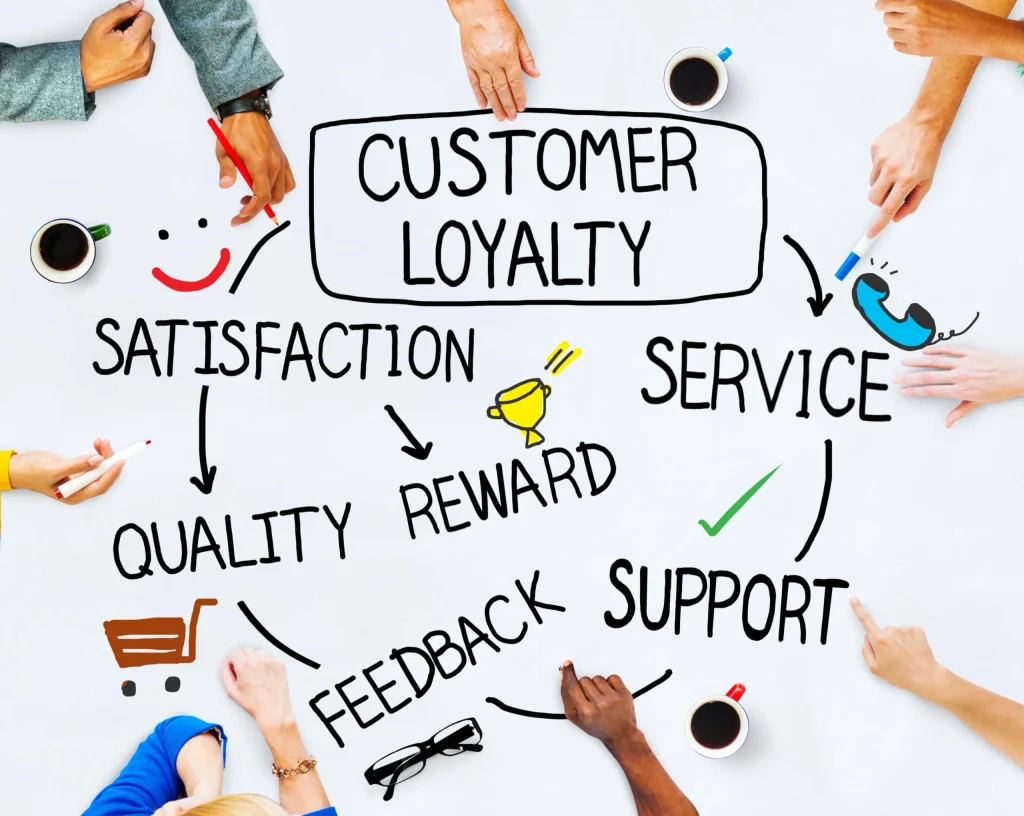
Loyalty programs, exclusive early access, or personalized thank-yous reinforce the relationship and give customers a tangible reason to keep choosing your brand over alternatives.
9. Be Transparent and Authentic
Modern customers value honesty about pricing, product limitations, mistakes, and company values. Brands that communicate transparently build deeper trust than those that appear overly polished or evasive.
10. Stay Consistent During Challenges
How a brand responds to mistakes, product issues, or public criticism says more about its character than how it behaves when things go well. Handling problems honestly and quickly is one of the most powerful (and overlooked) brand marketing strategies for building long-term trust.
11. Use Content to Reinforce Brand Values
Blog posts, videos, and social content are opportunities to demonstrate what your brand stands for — not just to sell. Content that reflects your brand’s values and expertise builds familiarity and trust over time, which supports loyalty long before and after a purchase.
12. Listen to Customer Feedback and Act on It
Brands that visibly respond to feedback improving products, addressing complaints, and acknowledging suggestions show customers they’re heard. This responsiveness is one of the simplest brand marketing strategies to strengthen loyalty over time.
How to Measure Brand Loyalty
Track these indicators to see whether your brand marketing strategies are working:
- Repeat purchase rate how often existing customers buy again
- Customer lifetime value (LTV) total revenue generated per customer over time
- Net Promoter Score (NPS) how likely customers are to recommend your brand
- Customer retention rate the percentage of customers who continue doing business with you
- Brand mention sentiment how customers talk about your brand on social media and reviews
Common Mistakes That Undermine Brand Loyalty
- Inconsistent messaging or visual identity across platforms
- Prioritizing short-term sales tactics over long-term trust
- Ignoring or dismissing customer feedback
- Overpromising and underdelivering
- Treating brand marketing as a one-time campaign instead of an ongoing effort

Conclusions
The most effective brand marketing strategies aren’t built overnight they’re built through consistent identity, genuine customer experience, and trust reinforced at every interaction. Loyalty isn’t won through a single great campaign; it’s earned repeatedly, purchase after purchase, interaction after interaction. Focus on consistency, authenticity, and genuinely valuing your customers, and long-term loyalty follows naturally.