info@GeeseiAffiliate.com
Marketing Automation Tools: How to Save Time and Increase Conversions
introduction
Marketing Automation Tools: How to Save Time and Increase Conversions Running marketing manually — sending every email by hand, posting on schedule, chasing leads one by one — doesn’t scale. As your audience grows, the workload grows with it. Marketing automation tools solve this problem by handling repetitive tasks automatically, freeing you up to focus on strategy while still increasing conversions. This guide explains what marketing automation tools do, why they matter, and how to use them effectively.
What Are Marketing Automation Tools?
Marketing automation tools are software platforms that automatically execute, manage, and track marketing tasks — such as sending emails, posting on social media, scoring leads, and triggering follow-ups — based on a set of predefined rules or customer behavior.
Instead of manually sending a welcome email to every new subscriber, for example, a marketing automation tool sends it instantly the moment someone signs up — and can follow up with a sequence of emails over the following days, without you lifting a finger.
Why Marketing Automation Tools Matter
The value of marketing automation tools comes down to two things: time saved and conversions gained.
Time savings come from eliminating repetitive manual work — scheduling posts, segmenting email lists, or manually tracking which leads are ready to buy.
Conversion increases come from consistency and timing. Automated tools respond to customer actions immediately (like an abandoned cart or a form submission), when interest is highest — something manual processes almost always delay.
Businesses that use marketing automation tools well typically see faster lead response times, more personalized customer journeys, and fewer leads falling through the cracks.
Key Types of Marketing Automation Tools
Email Marketing Automation
Email remains one of the highest-ROI digital channels, and automation makes it far more effective. These tools let you:
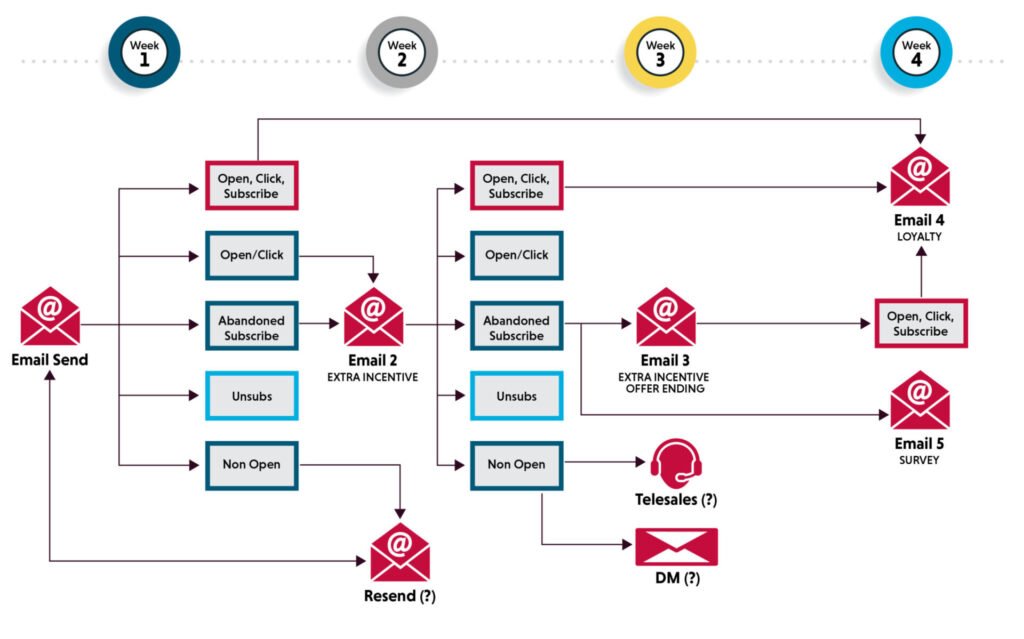
- Send welcome sequences automatically to new subscribers
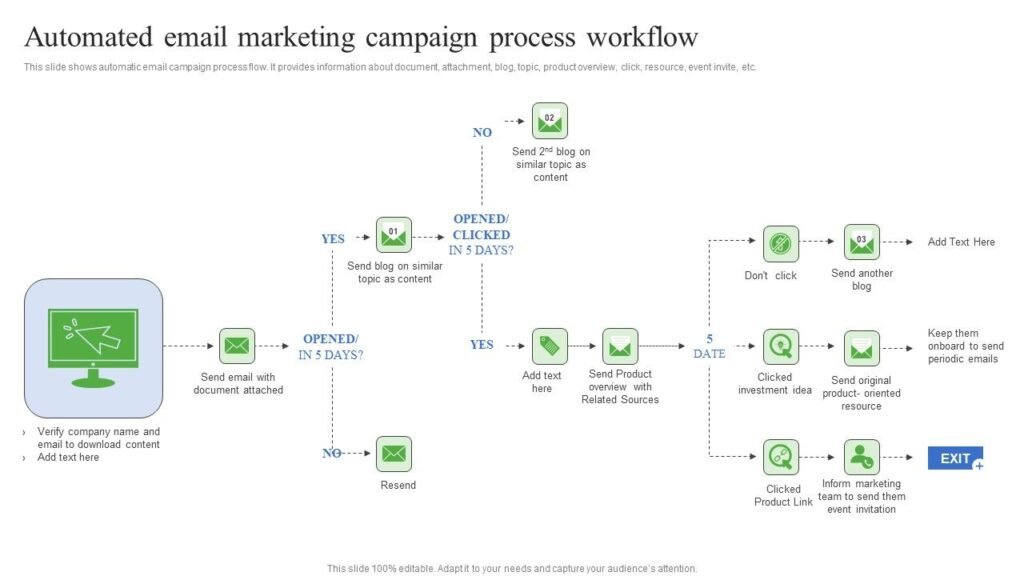
- Trigger emails based on user behavior (cart abandonment, page visits, downloads)
- Segment audiences so messages feel personal, not generic
- A/B test subject lines and content automatically
Social Media Scheduling Tools
Rather than logging in daily to post manually, social media automation tools let you plan and schedule content in advance across multiple platforms, freeing up hours each week.
Lead Scoring and CRM Automation
These marketing automation tools track user behavior — website visits, email opens, content downloads — and automatically score leads based on how “sales-ready” they are. This helps sales teams prioritize the right prospects instead of guessing.
Chatbots and Conversational Marketing
Automated chatbots can answer common questions, qualify leads, and book meetings 24/7, without a human needing to be online.
Ad Retargeting Automation
These tools automatically show ads to people who’ve already visited your website or interacted with your brand, keeping you in front of warm leads without manual ad management.
Workflow and Campaign Automation
Broader marketing automation platforms combine multiple functions — email, SMS, lead scoring, and CRM — into a single connected workflow that moves leads through the sales funnel automatically.
How to Choose the Right Marketing Automation Tools
Not every business needs every type of tool. Choose based on:
- Your biggest bottleneck — if lead follow-up is slow, prioritize CRM and lead-scoring automation. If content posting eats your time, start with social scheduling.
- Your budget — many marketing automation tools offer free or low-cost starter plans; you don’t need enterprise software to get started.
- Ease of integration — pick tools that connect easily with your existing website, CRM, and email list.
- Scalability — choose a tool that can grow with your audience size, not one you’ll outgrow in six months.
How to Set Up Marketing Automation the Right Way
1. Map your customer journey first Before automating anything, understand the steps a customer takes — from first visit to purchase to repeat customer. Automation should follow this journey, not replace the thinking behind it.
2. Start with one workflow Don’t automate everything at once. Begin with a single high-impact workflow, such as a welcome email sequence or cart-abandonment reminder, and refine it before expanding.
3. Segment your audience Generic automated messages convert poorly. Use behavior and demographic data to send relevant messages to the right people at the right time.
4. Set clear trigger points Define exactly what action starts each automation — a sign-up, a purchase, an abandoned cart, or a specific page visit.
5. Test before scaling Run automations on a small segment first to confirm they work as intended before rolling them out to your full audience.
Common Mistakes to Avoid
- Over-automating too soon — automating everything at once makes it hard to identify what’s working
- Ignoring personalization — automation without segmentation feels robotic and can hurt trust
- Never reviewing performance — automated doesn’t mean “set and forget”; workflows need regular review
- Choosing tools before mapping strategy — pick your workflow needs first, then the tool that fits
How to Measure Success
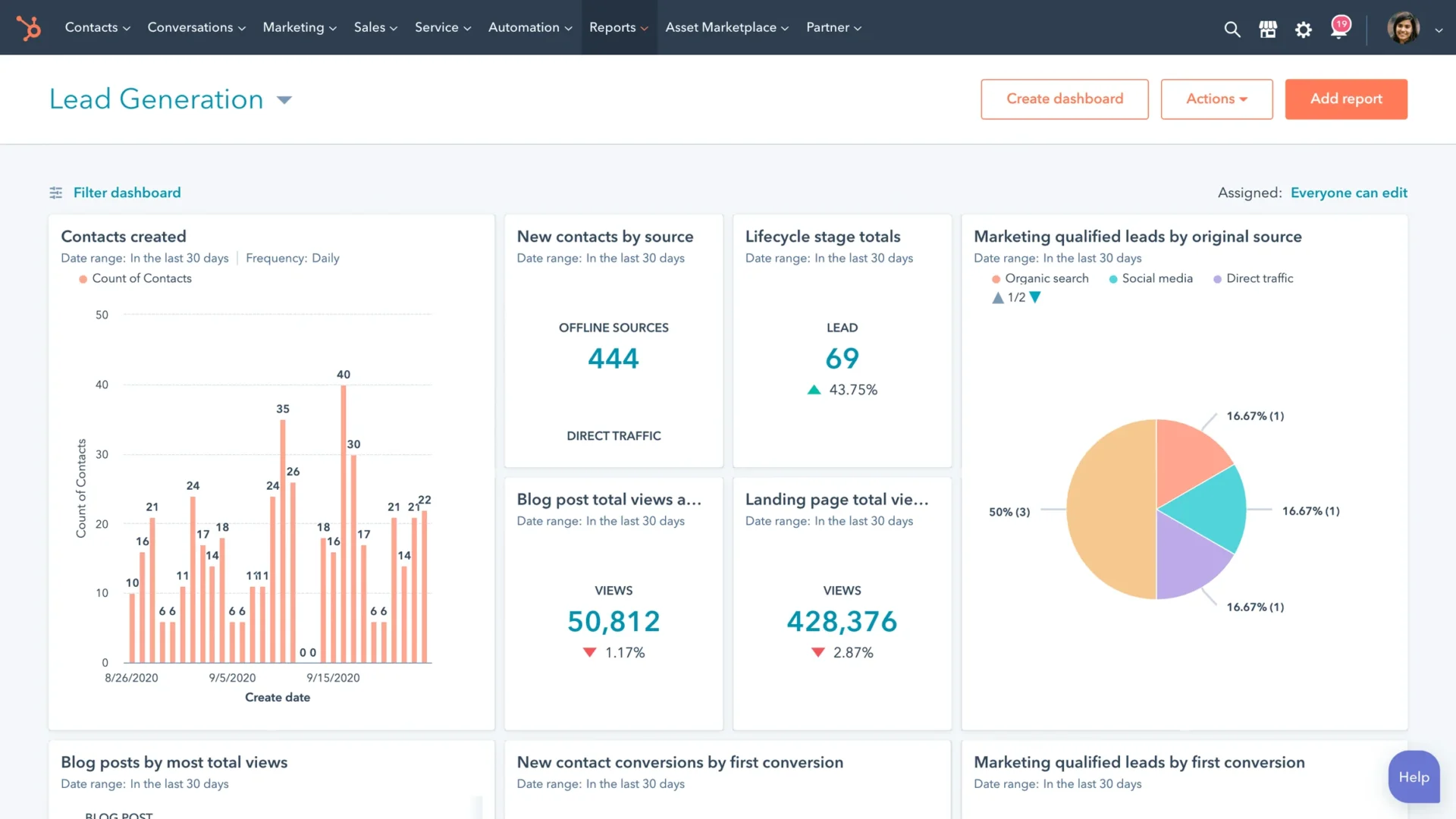
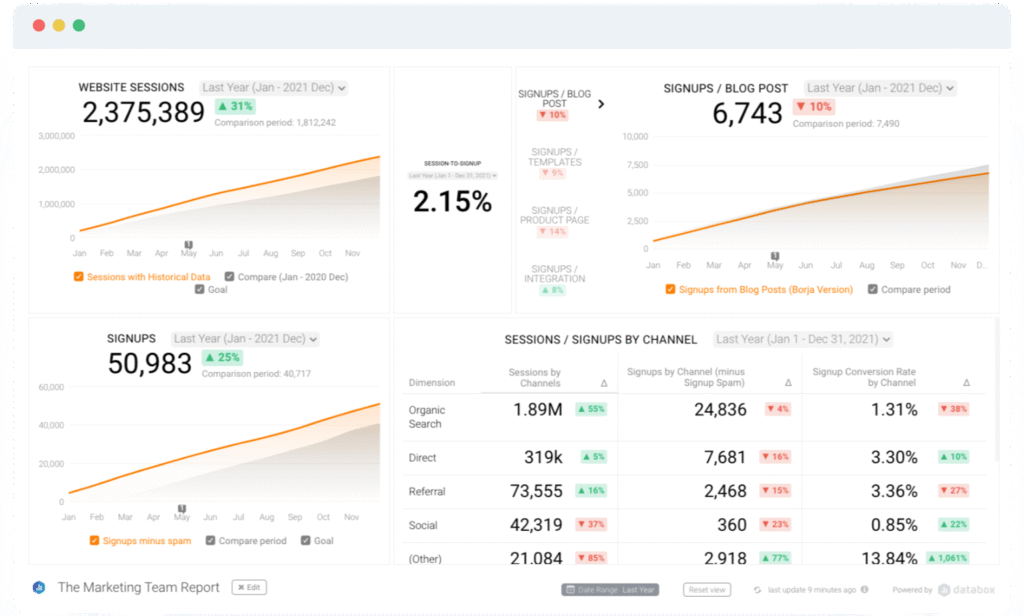
Track these metrics to know if your marketing automation tools are actually increasing conversions:
- Conversion rate by automated workflow
- Email open and click-through rates
- Lead response time (how quickly a lead is contacted after showing interest)
- Cost per acquisition (CPA)
- Time saved on manual tasks (a simple before/after comparison)
Review these numbers monthly and adjust triggers, timing, or messaging based on what the data shows.
conclusions
Marketing automation tools aren’t about replacing marketing — they’re about removing repetitive manual work so your time goes toward strategy, creativity, and building better customer relationships. Start small, automate your biggest bottleneck first, and expand only once each workflow is proven to convert. Done right, marketing automation tools become one of the most reliable ways to save time and increase conversions at the same time.